
News
Big opportunity. Smart planning. Lasting benefits.
October 20, 2026 · FDISA
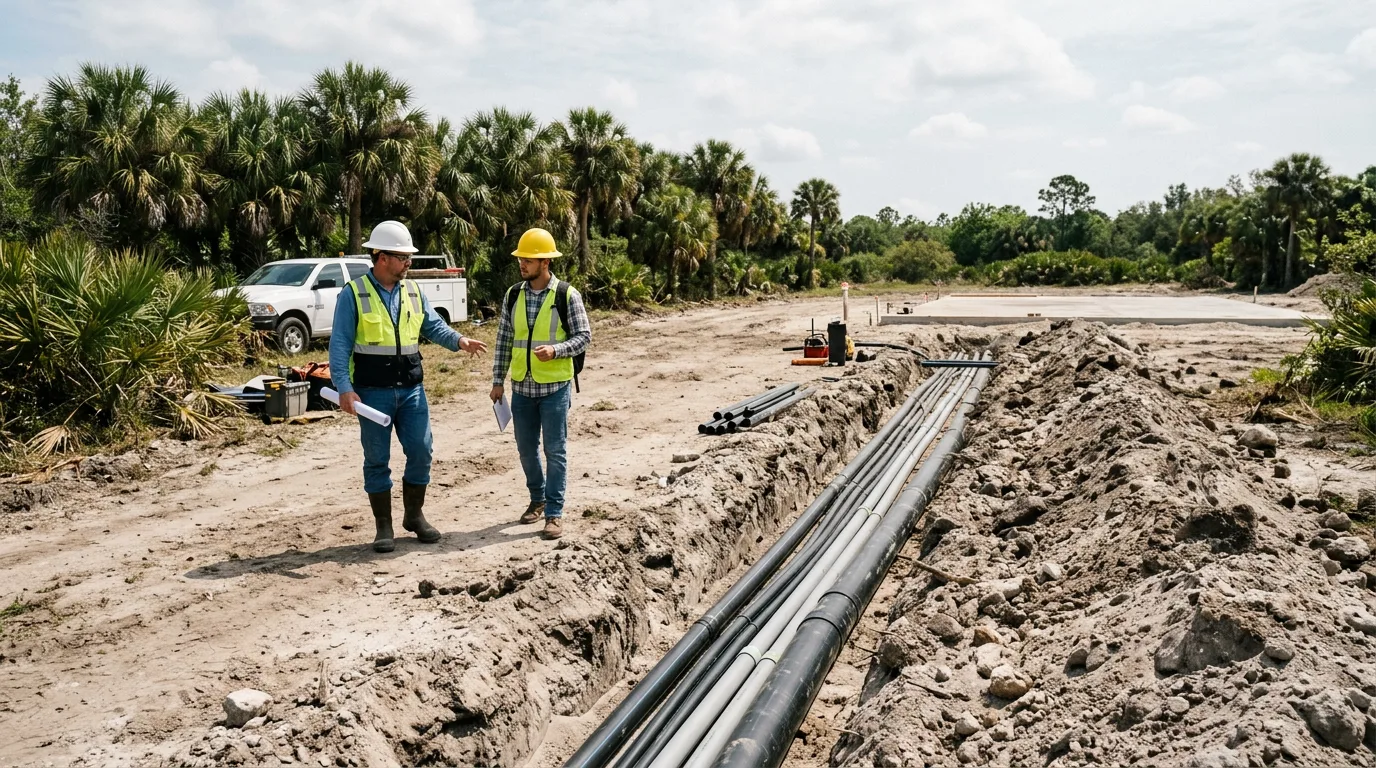
A hyperscale data center could dramatically expand the tax base of a Florida community, generating new revenue for schools, public safety, infrastructure and potentially property tax relief.
But realizing those benefits takes more than attracting a major investment. It takes planning that begins well before construction.
That's one of the central findings of Florida TaxWatch's recent report, which examines both the fiscal potential of data centers and lessons from states where development is already underway.
TaxWatch identifies several priorities that can help Florida communities turn that opportunity into lasting economic benefits.
**Get ahead of infrastructure needs
**
Data centers can be constructed faster than the power generation, transmission lines, water systems and other infrastructure required to support them.
That timing matters. Communities that coordinate early with developers, utilities and infrastructure providers can identify necessary upgrades, establish realistic construction schedules and avoid delays that might otherwise jeopardize a project.
The report also emphasizes the importance of determining who will pay for those improvements before development proceeds.
**Protect existing utility customers
**
A large new electricity customer can require substantial investments in generation and transmission infrastructure. TaxWatch recommends ensuring those costs are appropriately assigned to the customers creating them, rather than shifted to existing households and businesses.
Florida has already taken a proactive stance. Its new hyperscale data center law establishes a framework intended to ensure large data centers pay their full cost of service.
**Match water solutions to local conditions
**
There is no single water-use profile for data centers.
Some cooling systems rely heavily on evaporation, while others substantially reduce water consumption but require more electricity. Reclaimed water and closed-loop cooling offer additional options, each with its own tradeoffs.
TaxWatch recommends evaluating these technologies against local water availability, infrastructure and environmental conditions rather than imposing a one-size-fits-all approach.
Northern Virginia offers an example of what thoughtful planning can accomplish. In Loudoun County, one of the nation's largest data center markets, the local water utility developed a system that allows data centers to use treated wastewater for cooling instead of drinking water. In 2025, that system supplied more than 750 million gallons of reclaimed water to businesses and facilities, including data centers, reducing demand on the county's drinking-water supply.
The lesson for Florida is that the right infrastructure and cooling strategy can help communities make the most of their available resources.
**Plan for revenue that lasts
**
A hyperscale facility can represent an extraordinary addition to a local tax base. But TaxWatch cautions that its model depends on factors including taxable value, depreciation, equipment replacement cycles, incentives and development timelines.
The report also encourages communities to plan conservatively, build adequate reserves and avoid becoming overly reliant on a single major taxpayer.
That kind of financial discipline can help translate a major investment into long-term improvements in public services and infrastructure.
Clear expectations create opportunity
The larger lesson is that communities don't have to wait until a proposal arrives to decide what responsible development should look like.
FDISA's Florida Model Data Center Ordinance offers local governments an adaptable starting point for establishing expectations around siting, water use, infrastructure coordination and community protections.
TaxWatch makes clear that the potential rewards are substantial. Communities that prepare early, ask informed questions and establish predictable standards will be better positioned to capture those benefits while protecting the resources and taxpayers they serve.
FDISA materials are provided for general informational and educational purposes only and do not constitute legal, tax, engineering, environmental, energy, regulatory, or other professional advice.