
News
A practical starting point for Florida communities considering data centers
September 15, 2026 · FDISA
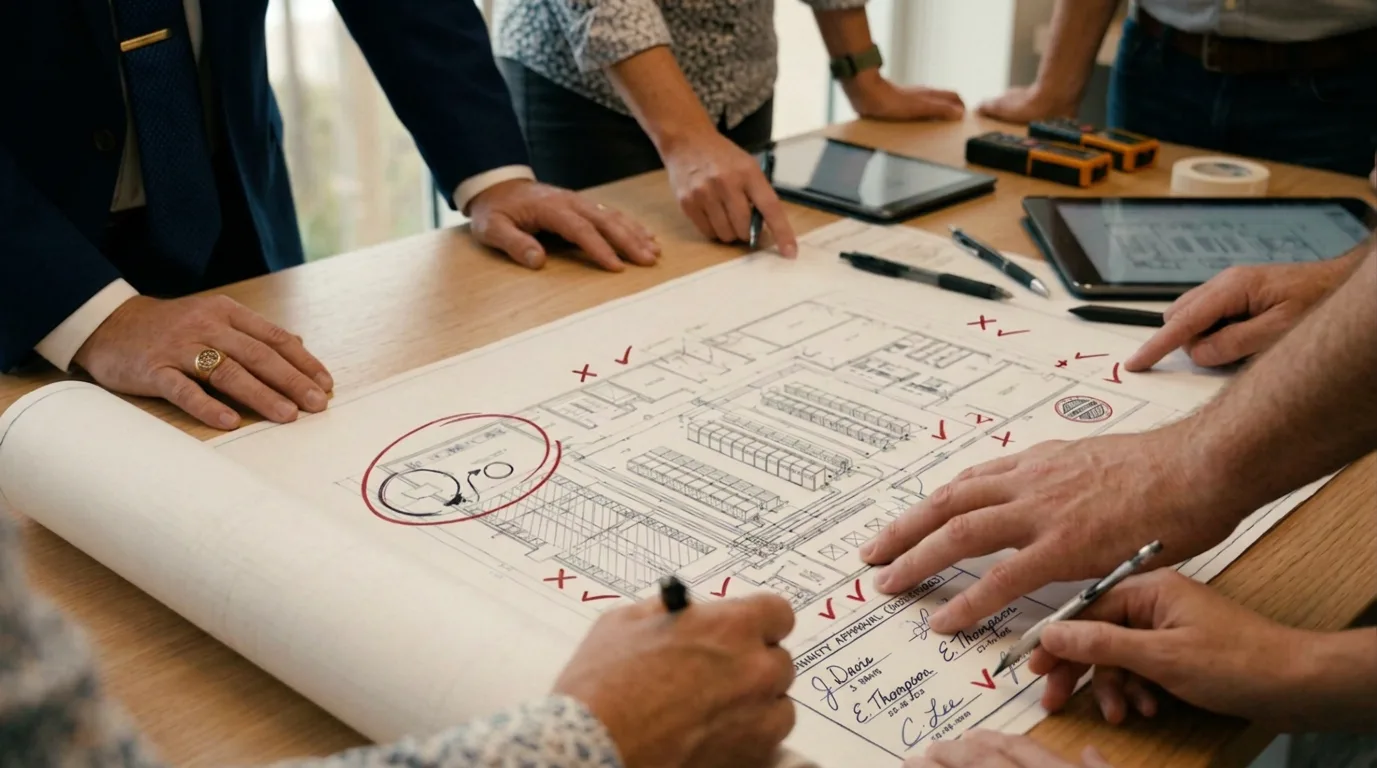
Across Florida, local governments are confronting a relatively new question. What rules should apply when a large-scale data center wants to locate in their community?
For many cities and counties, there is no established playbook. Yet the questions are significant. Where should these facilities be located? How should nearby homes and schools be protected? What standards should apply to noise, water use, traffic and emergency planning?
The Florida Digital Infrastructure and Security Alliance developed its Florida Model Data Center Ordinance to give communities a practical place to start. Developed with input across stakeholder groups and communities, the model is intended as a resource for local governments, not a substitute for local decision-making.
The goal is to strike a balance. Communities should be able to protect neighborhoods, natural resources, public infrastructure and quality of life while preserving the opportunity to benefit from responsible digital infrastructure development and the potential economic growth that can come with it.
Clear standards for the questions communities are asking
The model addresses many of the issues already surfacing in communities considering data center development.
It proposes where large-scale data centers may be permitted, conditionally allowed or prohibited. It includes enhanced setbacks and landscape buffers near residential areas and separation from schools. It establishes residential noise limits backed by acoustic modeling and post-construction validation.
It also requires applicants to report anticipated water demand and sources, with a preference for reclaimed and other non-potable water where available and technically feasible. Other provisions address utility coordination, construction traffic, emergency preparedness, public information and eventual decommissioning.
The goal is greater predictability. Residents can see what protections apply. Local officials have objective standards for evaluating proposals. Applicants know what will be expected before investing in a site.
Protecting communities while preserving opportunity
Community protection and economic development do not have to be opposing goals.
The ordinance includes substantial protections near residential areas and requires projects to address potential impacts involving noise, water, traffic and emergency response. At the same time, projects that meet applicable requirements have defined review pathways based on objective standards.
The model also includes an optional community-benefit framework that local governments may use where authorized by law. Depending on the approach a community chooses, negotiated benefits could support priorities such as public safety, transportation, workforce and technical education, digital access, water conservation and resilience.
That balance is intentional. Communities considering data center development should have a framework for evaluating potential impacts alongside potential benefits.
Local decisions remain local
No two Florida communities are alike, and the model is not intended to make their decisions for them.
A rural county will have different considerations than a fast-growing suburban community. Water resources, utility infrastructure, surrounding land uses and development patterns vary across the state. Local governments ultimately determine whether data center development is appropriate and what standards best reflect their communities.
That's why the ordinance is designed to be adapted. Communities can use the full framework, select individual provisions, strengthen protections where local conditions warrant or adjust districts, thresholds and review processes to fit their comprehensive plans and local development codes.
And this is Version 1.0.
FDISA is publishing the full ordinance openly and inviting county attorneys, planners, elected officials, community leaders, residents and other stakeholders to scrutinize it and suggest improvements. Future versions should reflect what communities learn as they consider and implement these policies.
Florida communities do not have to start from a blank page. This model gives them a starting point they can examine, challenge and adapt to local needs.
Read the full Florida Model Data Center Ordinance, download the PDF or share feedback on FDISA's Model Ordinance page.
FDISA materials are provided for general informational and educational purposes only and do not constitute legal, tax, engineering, environmental, energy, regulatory, or other professional advice.